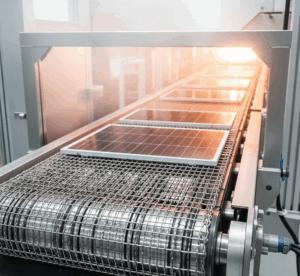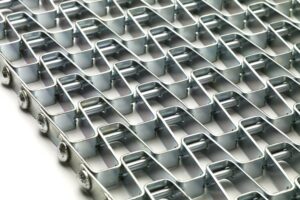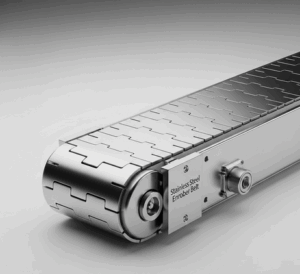

In the meat processing industry, hygiene and efficiency are two of the most critical factors that determine product quality, safety, and operational success. One essential component that contributes to both is the wire mesh belt for meat processing. Designed to handle high loads, provide excellent airflow, and maintain cleanliness, wire mesh belts have become the preferred choice for food-grade conveyor systems.
1. Hygiene in Meat Processing
Food safety regulations demand strict hygiene standards in meat handling and packaging. A wire mesh belt provides several benefits that directly address these requirements:
Easy to Clean: Open mesh design allows thorough washing and sanitization, ensuring no residue remains trapped.
Non-Corrosive Materials: Stainless steel wire mesh belts resist rust, preventing contamination.
Compliance with Standards: These belts meet FDA and food-grade guidelines for safe meat processing.
2. Efficiency in Operations
Beyond hygiene, wire mesh belts also enhance productivity in meat processing plants.
Durability: Strong stainless steel construction allows the belt to handle heavy meat products without damage.
Smooth Conveying: Uniform design ensures stable movement, reducing downtime caused by jams.
Temperature Resistance: Wire mesh belts can withstand extreme heat or cold, making them suitable for baking, cooling, and freezing operations.
Energy Saving: Improved airflow reduces processing times, increasing output and lowering energy costs.
3. Applications of Wire Mesh Belts in Meat Processing
Wire mesh belts are widely used in various stages of meat processing, including:
Cooking and baking
Freezing and chilling
Washing and drying
Packaging and inspection lines
4. Choosing the Right Wire Mesh Belt
When selecting a wire mesh belt for meat processing, consider the following factors:
Material grade (e.g., stainless steel 304 or 316) for corrosion resistance.
Belt width and mesh size for proper airflow and product handling.
Load capacity to ensure smooth operations without damage.
Conclusion
A wire mesh belt for meat processing is more than just a conveyor component—it is a vital investment in hygiene, efficiency, and long-term reliability. By ensuring easy cleaning, durability, and suitability for diverse processing conditions, wire mesh belts help meat processing plants meet strict safety standards while improving productivity.