
In modern manufacturing and processing industries, conveyor systems are the backbone of efficient material handling. Among various conveyor solutions, balanced wire mesh belts have emerged as a versatile and reliable choice. Designed for durability, precision, and high performance, these belts are widely used in heat treatment, food processing, drying, cooling, and other industrial applications.
This guide explores everything you need to know about balanced wire mesh belts—from design and materials to applications, advantages, and selection tips.
What Is a Balanced Wire Mesh Belt?
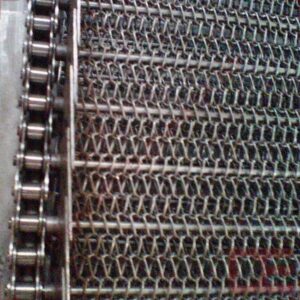
A balanced wire mesh belt is a type of conveyor belt made from interlinked metal wires that are evenly tensioned and structured to maintain a flat and stable surface. Unlike traditional belts, balanced mesh belts provide uniform load distribution and reduce stretching or misalignment over time.
Key Features:
High tensile strength
Excellent dimensional stability
Open structure allowing air or liquid flow
Resistance to heat, corrosion, and mechanical wear
Minimal elongation under load
These characteristics make balanced wire mesh belts ideal for industrial applications that require precision, hygiene, and durability.
Materials Used in Balanced Wire Mesh Belts
Balanced wire mesh belts are typically made from stainless steel, carbon steel, or alloy steel, depending on the application requirements:
Stainless Steel Belts
Resistant to corrosion and high temperatures
Ideal for food processing, chemical industries, and harsh environments
Carbon Steel Belts
High strength for heavy loads
Common in heat treatment, metal parts conveying, and drying processes
Alloy Steel Belts
Enhanced wear resistance
Suitable for high-stress or abrasive environments
Wire thickness, pitch, and weaving pattern can also be customized to meet specific operational needs.
Types of Balanced Wire Mesh Belts
Balanced wire mesh belts come in several designs, each suited for different industrial purposes:
Plain Weave Belt
Simple over-under weaving
Provides smooth surface and uniform support
Twilled Weave Belt
Diagonal weave for increased flexibility
Ideal for curved conveyors or applications requiring belt bending
Crimped or Interlocked Belt
Wire strands are crimped before weaving
Provides high stability and load-bearing capacity
Specialty Weaves
Designed for specific airflow, drainage, or heating/cooling needs
Applications of Balanced Wire Mesh Belts
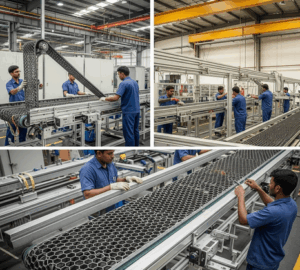
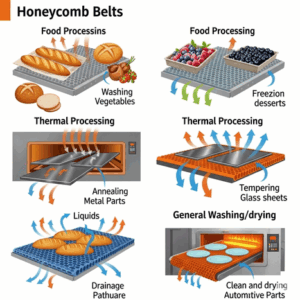
Balanced wire mesh belts are widely used in manufacturing and processing industries due to their strength, durability, and versatility:
Heat Treatment
Used in furnaces and ovens for metal parts, automotive components, and industrial hardware
Can withstand high temperatures and thermal cycling
Food Processing
Ideal for baking, freezing, and cooling lines
Stainless steel belts ensure hygiene and compliance with food safety standards
Drying and Cooling
Open mesh design allows airflow for efficient drying and cooling of products
Used in textiles, electronics, and ceramics
Industrial Conveying
Transporting heavy or abrasive materials
Resistant to stretching and deformation
Advantages of Balanced Wire Mesh Belts
High Durability: Long service life under heavy loads and high temperatures
Uniform Load Distribution: Reduces product damage and improves conveyor efficiency
Excellent Airflow and Drainage: Supports cooling, drying, and liquid processing
Customizable: Wire type, weave, width, and pitch can be tailored for specific operations
Low Maintenance: Minimal elongation reduces frequent adjustments
How to Choose the Right Balanced Wire Mesh Belt
When selecting a balanced wire mesh belt, consider the following factors:
Application Requirements
Temperature resistance, load capacity, and environmental exposure
Material Compatibility
Stainless steel for food and chemical industries
Carbon or alloy steel for heavy-duty industrial applications
Belt Design
Weave type, wire thickness, and pitch for airflow, drainage, or product support
Durability and Maintenance Needs
Evaluate service life, ease of cleaning, and replacement frequency
Cost vs Performance
Choose a belt that balances durability, efficiency, and operational cost
Maintenance Tips for Balanced Wire Mesh Belts
Proper maintenance ensures long-term performance and reduces downtime:
Regularly inspect for wire breakage or wear
Keep belts clean and free from debris
Lubricate moving parts of the conveyor system if needed
Monitor belt tension and alignment to prevent misalignment
Replace worn sections promptly to avoid cascading damage
Conclusion
Balanced wire mesh belts are an essential solution for industrial manufacturing and processing applications. Their durability, flexibility, and customizable design make them ideal for industries ranging from food processing to heat treatment.
By selecting the right material, weave, and design, and implementing proper maintenance, manufacturers can achieve high efficiency, longer service life, and improved product quality.
For industries looking to enhance their conveyor systems, balanced wire mesh belts are a reliable investment that ensures smooth operation and long-term productivity.